Since 1989, PRI has been working in the field of criminal justice and penal reform at national, regional and international levels. Explore the timeline below for highlights from our work. Over the years, we have had many successes, working in more than 90 countries. We are proud of our past achievements and look forward to the years ahead.
We need your support!
PRI was one of the first criminal justice NGOs to respond to the COVID-19 pandemic hitting prisons and issued two briefing papers examining the human rights implications of measures take by prison authorities and criminal justice settings to stem the spread of the virus. Both papers issued recommendations for urgent response…Read More
In 2019 we celebrated our 30th anniversary and launched a new four year strategy 2020-2023. In Central African Republic we were instrumental in the development and adoption of the National Demilitarisation Strategy of the Penitentiary System in Central African Republic which seeks reform of the country’s prison system and full civilian…Read More
In Morocco, we launch the first prison radio in the Middle East and North Africa region in the Morocco’s biggest prison Oukasha in Casablanca. The radio, modelled on similar prison radio programmes around the world, gives prisoners a recreational activity as well as a training opportunity for inmates, a platform…Read More
We successfully complete our Kenya project, implemented with the Kenya Probation and Aftercare Service, to develop gender-sensitive pre-sentence reports and community service placements for women offenders. Resources produced include an internationally replicable, 10-step Model for Reform. Other publications include the third edition of our Global Prison Trends series, and Children and violent extremism, a briefing outlining the international and regional standards regarding the care and treatment of children suspected,…Read More
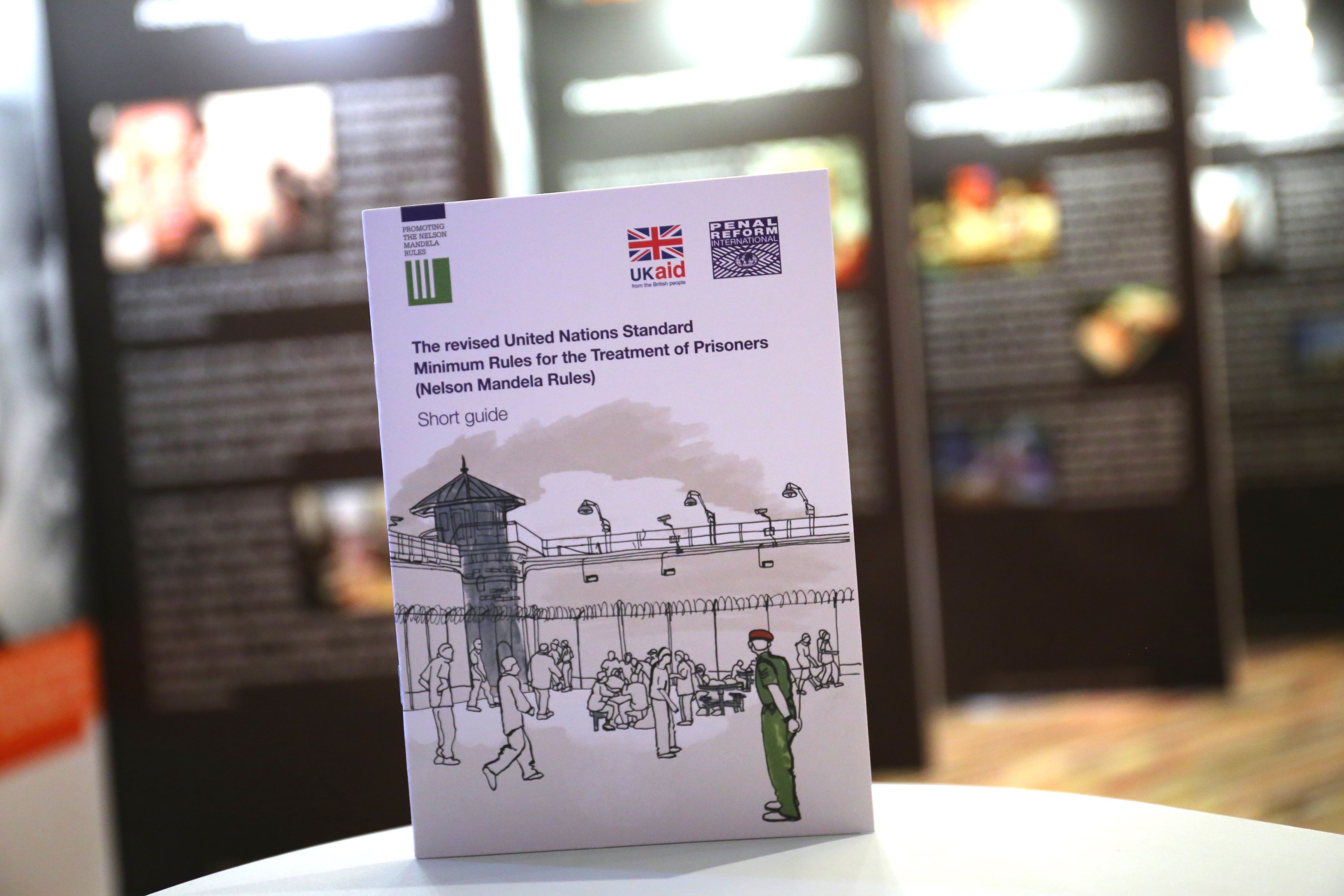
We continue to promote the Nelson Mandela Rules. In collaboration with the UK government, PRI publishes a Short Guide to the Nelson Mandela Rules, which is now available in eight languages. PRI and the University of Essex’s Human Rights Centre publish a guidance document on the interpretation and implementation of the…Read More
In 2015, the UN General Assembly unanimously adopts the revised UN Standard Minimum Rules, renaming them the Nelson Mandela Rules. This was the culmination of four years of intensive advocacy by PRI and other organisations to bring the 60-year-old Rules up-to-date with modern human rights standards. We publish several influential reports,…Read More
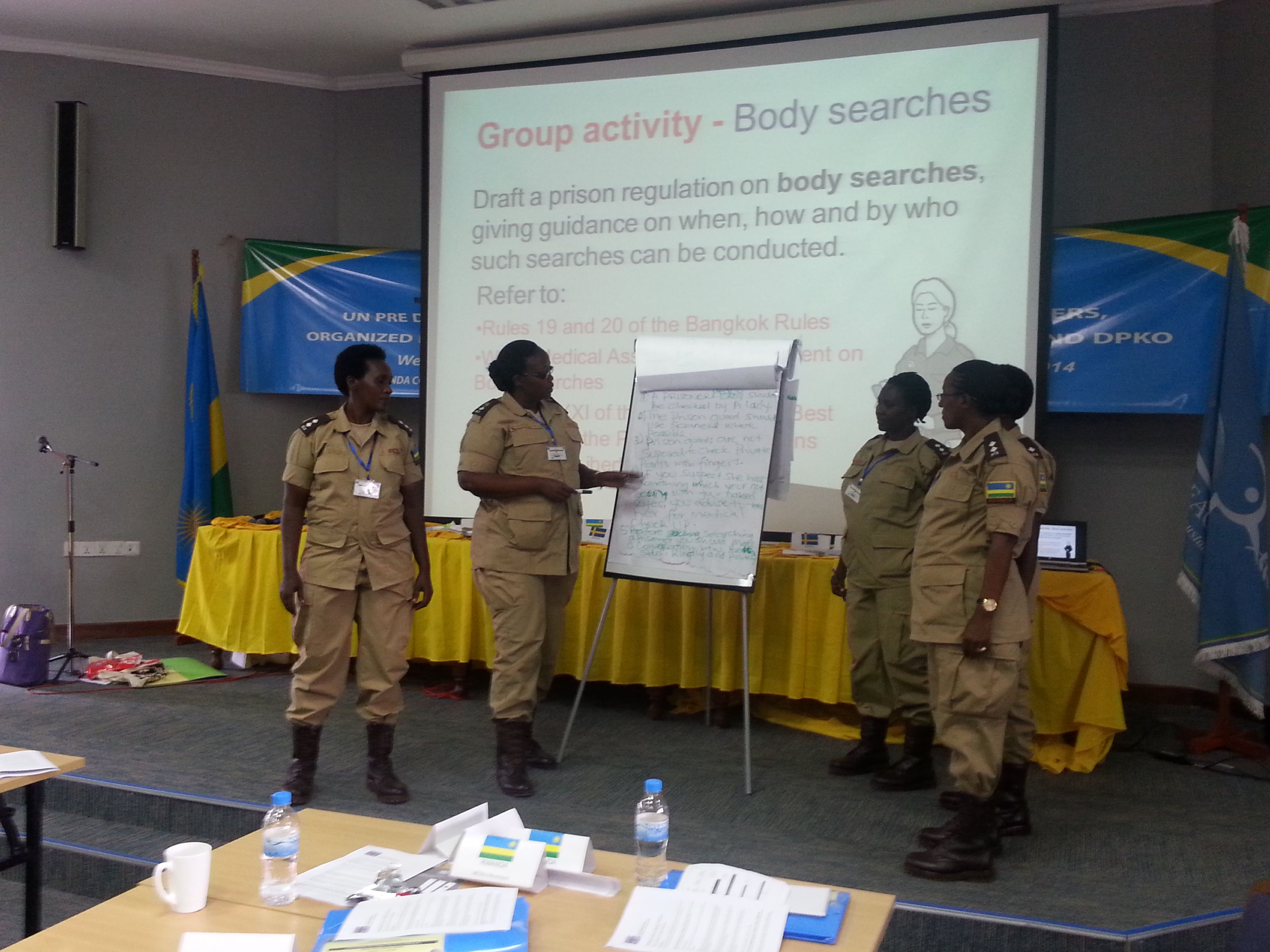
PRI celebrates its 25th anniversary this year, launching a new short animated film – Is a prison sentence always the solution? PRI’s work on the UN Bangkok Rules continues with a focus on training. Over 300 individuals from over 60 countries take part in face-to-face training and our e-learning course. The revision of…Read More
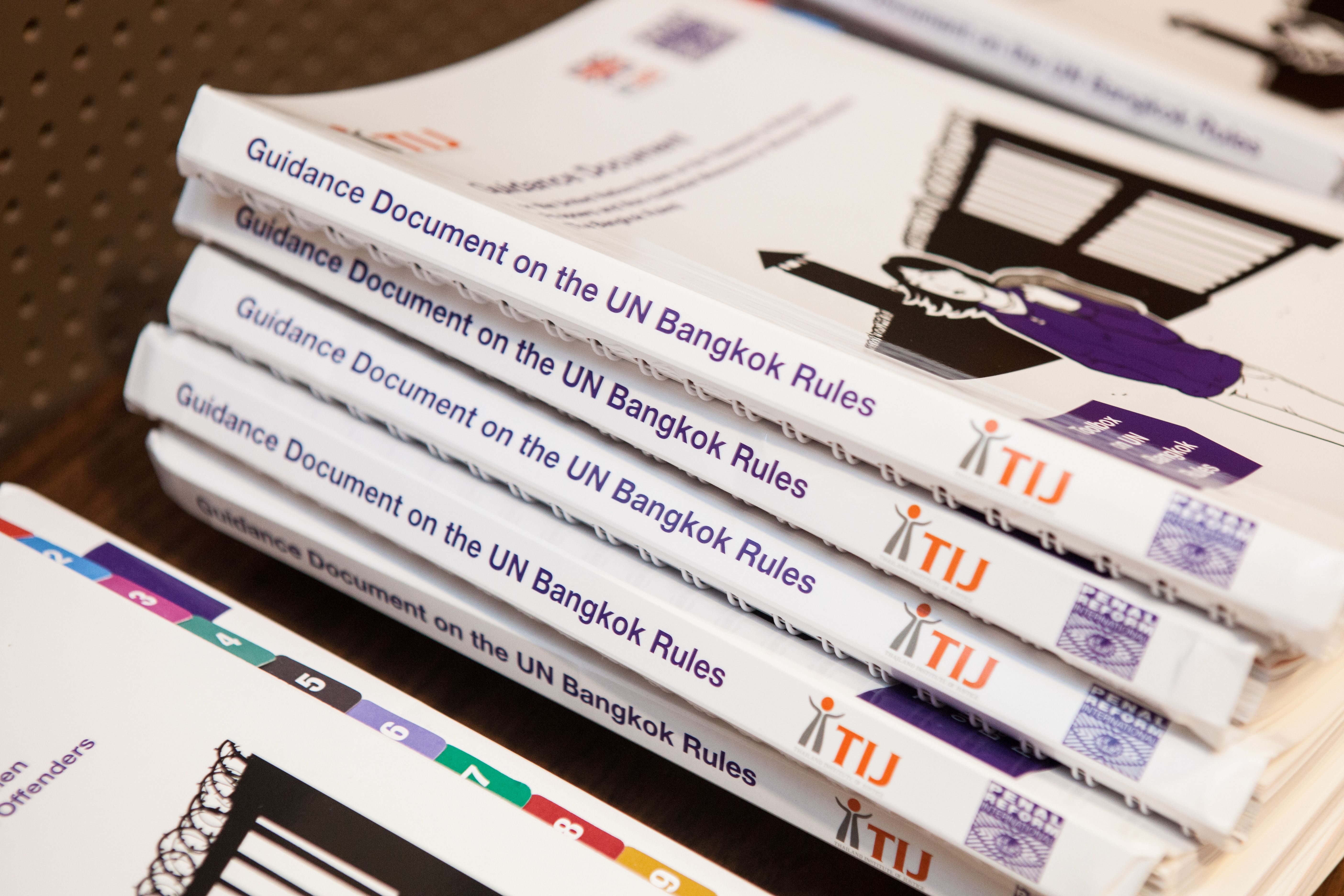
PRI launches three flagship publications: a Toolbox on the UN Bangkok Rules, including PRI’s first free e-learning course; a Detention Monitoring Tool to help monitoring bodies to detect and prevent torture; and a brand new edition of our popular Juvenile Justice Manual. Reducing unnecessary imprisonment remains at the heart of what we do. An OSF-funded…Read More
PRI continues its work to promote the UN Bangkok Rules and the newly adopted UN Principles and Guidelines on Access to Legal Aid in Criminal Justice Systems, as well as updating the UN Standard Minimum Rules for the Treatment of Prisoners. We organise a cross-regional conference on torture prevention in Tbilisi, Georgia…Read More
Work begins with partners in East Africa and South Asia. PRI hosts three film festivals in Jordan, Kazakhstan and Georgia on the abolition of the death penalty and life imprisonment. PRI”s Middle East and North Africa office completes its six-year juvenile justice programme funded by SIDA. PRI updates its Ten-point plan…Read More
The United Nations Rules for the Treatment of Women Prisoners and Non-Custodial Measures for Women Offenders (the Bangkok Rules) are adopted. PRI advocated intensively for their adoption and continues to promote their implementation. PRI’s approach to making societies safer is set out in Making Law and Policy that Work, which is…Read More
PRI celebrates 20 years of work this year. At the invitation of the Ministry of Justice of Thailand, PRI helps draft new UN guidelines for the treatment of women in conflict with the law. 2009 also sees the end of the Gacaca trials in Rwanda and PRI’s final report on the process…Read More
PRI launches Africa’s Recommendations for Penal Reform at the ACHPR, encouraging states and NGOs in Africa to implement previously agreed action plans and proposals.
Strategies for protecting pre-trial detainees’ rights and reducing prison overcrowding are implemented in Rwanda, Burundi, Central Asia and the South Caucasus. The UN ECOSOC adopts a resolution reflecting the Lilongwe Declaration on legal aid and the PRI / UNICEF juvenile justice manual is published and translated into Arabic.
A new regional office is established in Jordan, enabling PRI to develop its activities in the Middle East and North Africa. In Rwanda, the first two reports on the Gacaca programme are published.
PRI and the international penal reform community mourn the loss of Ahmed Othmani, one of the founders of PRI. Ahmed Othmani made an enormous contribution and, as a former political prisoner, had been an inspirational leader under whose chairmanship PRI grew into an internationally recognised expert reform body, with 12…Read More
In the Caribbean, the death penalty project wins the right to free legal assistance for over 60 prisoners under sentence of death. Take a look at our work on the death penalty.
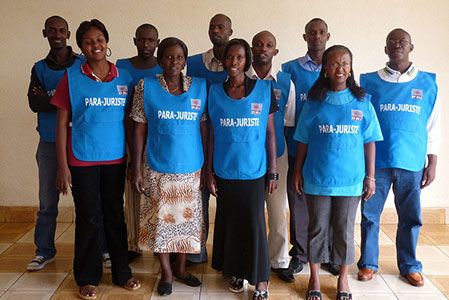
The successful Paralegal Advice Service established in Malawi serves as a model for the introduction of a similar service in Benin. PRI supports the Rwandan authorities in responding to the effects of an overwhelming number of genocide cases.
In Malawi, the work of the Paralegal Advisory Service leads to a decrease in pre-trial detention, as prisoners are empowered to represent themselves and obtain bail, and juveniles held in police custody are diverted from prison.
After 10 years of work, PRI gathers delegates from 52 countries to discuss the challenges for penal reform and to formulate a strategy for overcoming them. PRI works with African heads of correctional services to develop the Arusha Declaration on Good Prison Practice, including improving management, involvement of civil society…Read More